
Growing your own medicinal herbs is one of the most rewarding ways to create a natural home apothecary. Many healing plants are surprisingly easy to grow and thrive in gardens, raised beds, or even small containers.
Spring is the perfect time to plant herbs so they can establish strong roots before the warmth of summer arrives. By planting early in the season, you'll enjoy a garden filled with powerful natural remedies throughout the year.
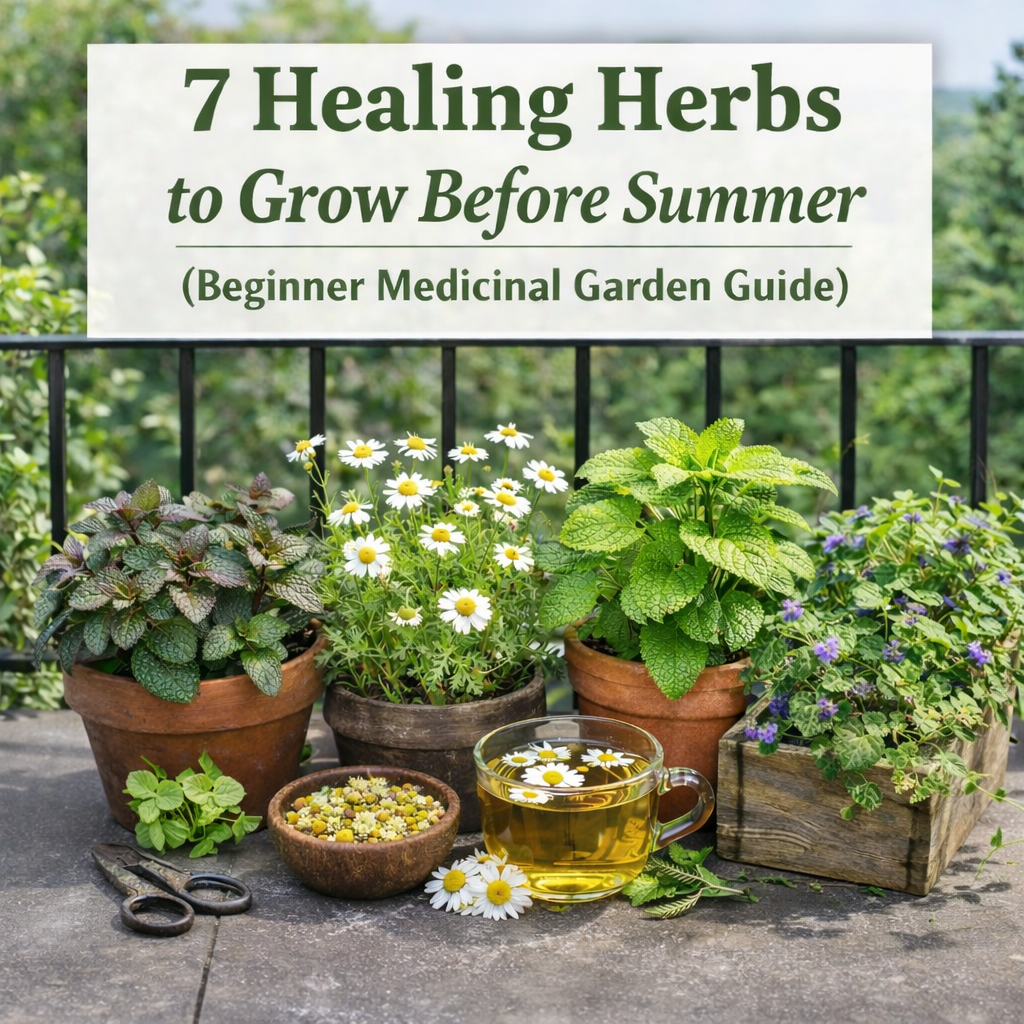
In this guide, we’ll explore seven healing herbs that are beginner friendly, useful for natural wellness, and well suited to the UK climate.
If you're just starting out, you may also enjoy our guide:
👉 Starting Your Healing Herb Garden
1. Chamomile – Nature’s Calming Herb


Benefits
• Promotes relaxation and sleep
• Supports digestion
• Helps calm the nervous system
Growing Tips
Chamomile grows well in full sun and well-drained soil. It can be planted in garden beds or containers and often self-seeds each year.
How to Use
Harvest the small daisy-like flowers and dry them to make a soothing herbal tea.
Grow Your Own Chamomile
If you're building a healing herb garden, starting with a live chamomile plant helps you harvest flowers faster.
2. Lemon Balm – The Mood Lifting Herb


Benefits
• Helps reduce stress and anxiety
• Supports restful sleep
• May improve mood and focus
Growing Tips
Lemon balm thrives in both sun and partial shade and grows easily in the UK climate. It spreads quickly, so containers are often recommended.
How to Use
Fresh lemon balm leaves can be brewed into a calming herbal tea or infused into honey.
Grow Your Own Lemon Balm
A healthy lemon balm plant can produce leaves for tea throughout the entire summer.
3. Chocolate Mint – The Sweet Digestive Herb


Chocolate mint is a delicious variety of mint with a subtle chocolate aroma, making it a favourite herb for teas, desserts, and natural remedies. Like other mints, it grows easily and is perfect for beginner herb gardens.
Benefits
• Supports healthy digestion
• Helps reduce bloating
• Can soothe headaches
• Naturally refreshing and uplifting
Growing Tips
Chocolate mint grows vigorously and spreads quickly, so it’s best grown in containers or pots to prevent it taking over your garden.
It thrives in partial sun or full sun and prefers moist, well-drained soil.
How to Use
Fresh chocolate mint leaves make a delicious herbal tea with a subtle chocolate flavour. The leaves can also be used in desserts, infused in syrups, or added to smoothies.
Grow Your Own Chocolate Mint
Chocolate mint plants grow quickly and produce fragrant leaves throughout the summer.
👉 Browse Chocolate Mint Plants
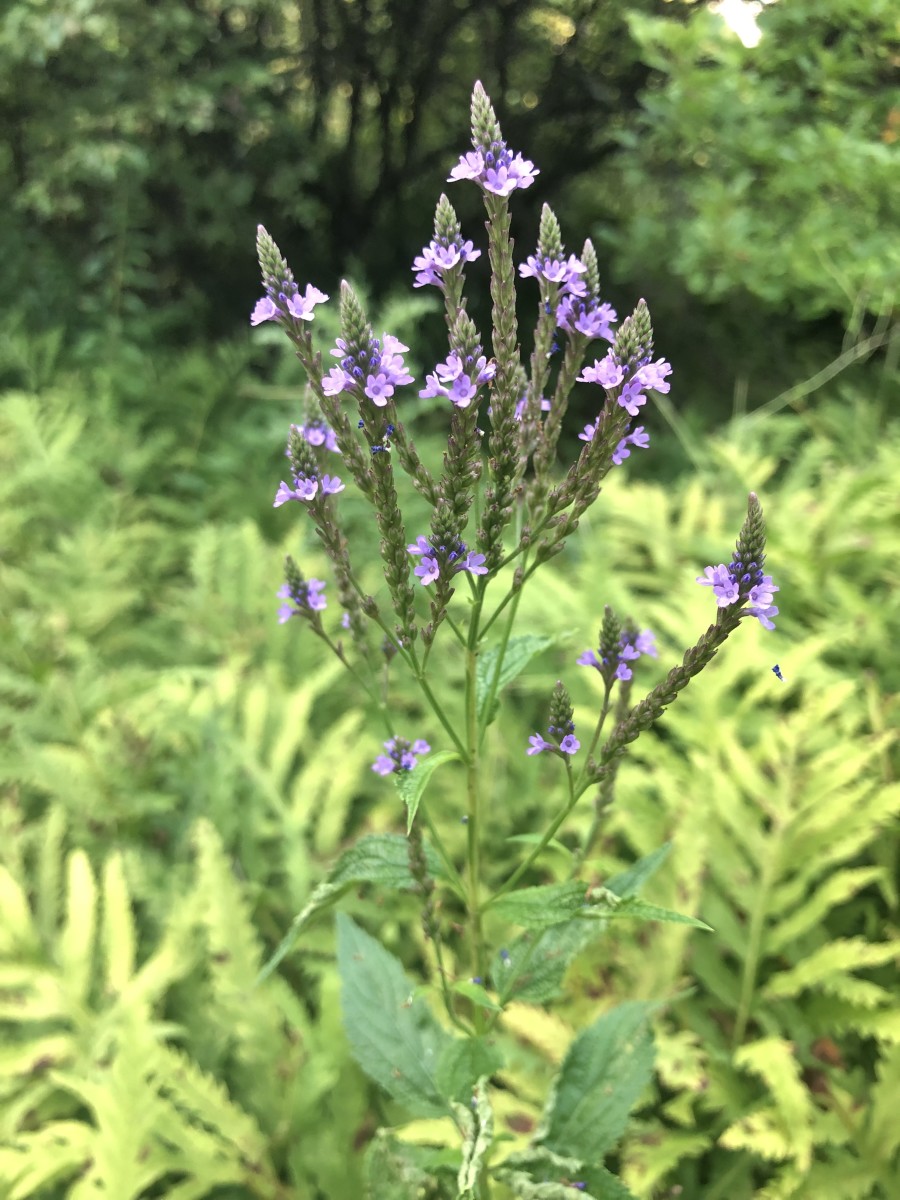
4. Vervain – The Nervous System Herb
Benefits
• Supports relaxation
• Helps reduce tension
• Traditionally used for nervous exhaustion
Growing Tips
Vervain grows best in sunny areas and tolerates poorer soils.
5. Marshmallow – The Soothing Root Herb

Marshmallow root has been used for centuries as a soothing herb for the throat and digestive system.
Benefits
• Supports throat health
• Helps soothe digestion
• Used in traditional herbal syrups
Growing Tips
Marshmallow prefers moist soil and full sun and grows into a tall flowering plant.
6. Feverfew – The Headache Herb
 Feverfew has traditionally been used to support relief from headaches and migraines.
Benefits
• Traditionally used for migraines
• Anti-inflammatory properties
• Supports overall wellbeing
Growing Tips
Feverfew grows well in sunny garden beds and produces clusters of small daisy-like flowers.
How to Use
The leaves and flowers can be dried and used in herbal preparations.
7. Ground Ivy – The Forgotten Healing Herb

Ground ivy (Glechoma hederacea), often called Creeping Charlie, is an old European medicinal herb that has been used for centuries in traditional herbal medicine. Though many gardeners consider it a wild plant, herbalists value it for its gentle healing properties.
Benefits
• Traditionally used to support respiratory health
• Helps soothe congestion and coughs
• Supports digestion
• Rich in beneficial plant compounds
Growing Tips
Ground ivy is a low-growing creeping plant that spreads easily and forms a lush ground cover. It grows well in partial shade or full sun and prefers moist soil.
Because it spreads quickly, it is best grown in contained garden areas or herb beds.
How to Use
The leaves can be harvested and dried for herbal teas or used in traditional herbal infusions.
Grow Your Own Ground Ivy
Ground ivy grows quickly and can become a beautiful green ground cover while providing useful medicinal leaves.
Build Your Healing Herb Garden
Starting a medicinal herb garden doesn’t require a large space. Even a few pots on a patio or balcony can provide powerful natural remedies throughout the year.
If you're just beginning, start with these three easy herbs:
• Chamomile
• Lemon Balm
• Peppermint
These herbs form the foundation of many traditional herbal remedies and are perfect for beginner gardeners.
👉 Browse Medicinal Herb Plants
Frequently Asked Questions
What are the easiest medicinal herbs to grow?
Some of the easiest medicinal herbs include chamomile, lemon balm, peppermint, and echinacea. These herbs grow well in most gardens and are ideal for beginners.
Can medicinal herbs grow in pots?
Yes. Many medicinal herbs grow extremely well in containers. Peppermint, lemon balm, and chamomile are particularly suited to pot growing.
When should medicinal herbs be planted?
Most medicinal herbs are best planted in early spring once the soil begins to warm. Planting early allows herbs to establish before summer.


Leave a comment
All comments are moderated before being published.
This site is protected by hCaptcha and the hCaptcha Privacy Policy and Terms of Service apply.