In the rhythm of modern life, stress has become an unwelcome constant, impacting our mental tranquility and physical well-being. From the subtle hum of daily anxieties to the weight of significant pressures, its effects are far-reaching. Yet, amidst this often-overwhelming landscape, an ancient practice offers a profound antidote: the cultivation of healing herbs. For millennia, cultures across the globe have turned to the botanical world for solace, finding natural remedies to soothe the nervous system and restore balance.
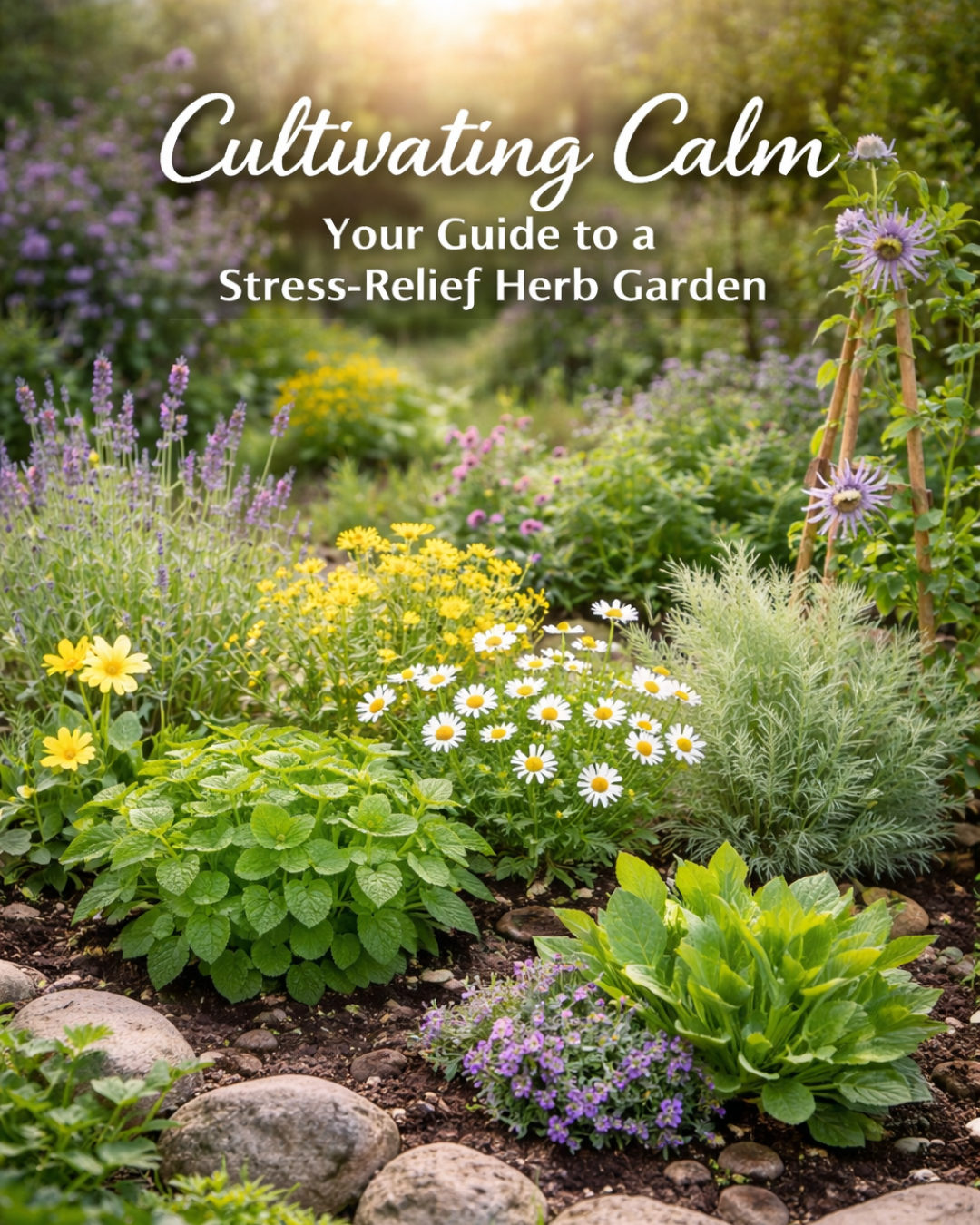
Imagine stepping into your own personal sanctuary, a space where vibrant greens and delicate blossoms invite a deep breath, and every leaf holds the promise of calm. This is the essence of a stress-relief herb garden – a living, breathing extension of your commitment to holistic wellness. This guide will walk you through the transformative power of such a garden, detailing specific calming herbs, practical cultivation techniques, and simple ways to integrate your homegrown remedies into your daily routine. At The Healing Herb Garden, we believe in empowering you to cultivate not just plants, but a profound sense of peace.

The Therapeutic Power of Green Space: Why a Herb Garden?
The simple act of gardening offers a powerful connection to the natural world, a vital interaction often lost in our fast-paced society. Research consistently shows that engaging with green spaces reduces cortisol levels, lowers blood pressure, and improves mood. A herb garden elevates this experience, transforming a simple plot into a multi-sensory retreat.
The fragrant aroma of your herbs, the gentle rustle of leaves, the vibrant hues of blooming plants – these sensory inputs work in concert to calm the mind. Beyond the immediate sensory benefits, tending to a garden fosters a sense of self-sufficiency and empowerment. Growing your own remedies is a tangible act of self-care, a conscious choice to nurture your well-being directly from the earth. The herbs you cultivate become more than just plants; they are components of a holistic approach to managing stress, allowing you to integrate fresh, potent botanicals into your teas, culinary creations, and wellness rituals for sustained tranquility.

Core Herbs for Tranquility: Your Garden's Calming Arsenal
Selecting the right herbs is fundamental to creating an effective stress-relief garden. Each plant brings its unique properties to your calming arsenal.
Southernwood (Artemisia abrotanum)
Known for its distinct, fresh, and slightly camphoraceous aroma, Southernwood (also called "Lad's Love") is a fascinating herb with historical uses for its invigorating scent and medicinal properties. While not a direct sedative, its pungent aroma can be uplifting and help clear the mind, contributing to an environment of mental clarity and reducing feelings of stagnation often associated with stress.
- Cultivation Tips: Southernwood is a hardy perennial shrub that thrives in full sun and well-draining, even poor, soil. It is drought-tolerant once established and can be pruned in spring to maintain shape.
- Usage: Its strongly aromatic leaves can be added to potpourri or sachets for refreshing indoor scents. Historically, it was used for its insect-repelling qualities and, with caution, in traditional remedies. Due to its potent flavor, culinary use is limited but can be explored sparingly in strong dishes.
Vervain (Verbena officinalis)
Often seen as a tonic for the nervous system, Vervain is a powerful nervine herb historically used for easing nervous exhaustion, emotional stress, and tension. It's particularly valued for those who feel over-stimulated or on the verge of burnout, offering a gentle yet profound calming effect.
- Cultivation Tips: Vervain prefers full sun and well-draining soil, tolerating a range of soil types. It can be grown from seed or cuttings and will often self-seed, establishing itself readily in suitable conditions.
- Usage: Traditionally prepared as a tea or tincture, Vervain can help promote emotional balance, reduce muscle tension, and support restful sleep when stress is a primary factor.
Evening Primrose (Oenothera biennis)
While not a direct sedative, Evening Primrose contributes to overall well-being in ways that can significantly reduce physiological stress. Rich in gamma-linolenic acid (GLA), its seeds' oil is highly valued for supporting hormonal balance and addressing inflammatory conditions, which can indirectly alleviate physical stressors that contribute to mental strain.
- Cultivation Tips: Evening Primrose is a biennial plant, meaning it grows leaves in the first year and flowers and sets seeds in the second. It thrives in full sun and well-draining soil and is quite drought-tolerant once established. It develops a long taproot, so consider its placement.
- Usage: The most potent use is the oil extracted from its seeds, often taken internally in capsule form to support internal balance. The leaves can be used in teas, and young leaves are edible in salads, while flowers can be a pretty garnish.
Mint (Mentha piperita/spicata)
While many mint varieties exist, peppermint and spearmint offer distinct advantages for stress relief. Mint is traditionally used to ease stress-related digestive issues like bloating and indigestion, and its invigorating aroma can help clear the mind and reduce mental fatigue.
- Cultivation Tips: Mint is notoriously invasive, so planting it in a container is highly recommended, even if burying the pot in the ground. It thrives in partial shade and consistently moist soil.
- Usage: Fresh mint leaves make refreshing teas and can be added to cold beverages, fruit salads, or savory dishes for a burst of flavor and a calming effect on the digestive system.
Passionflower (Passiflora incarnata)
For more significant anxiety and sleep disturbances, Passionflower offers deeper relaxation. It is a nervine herb known for its ability to calm an overactive mind, reduce restlessness, and improve sleep quality.
- Cultivation Tips: Passionflower is a vine that requires support for climbing, such as a trellis or fence. It prefers full sun and well-draining soil. In colder climates, it can be grown in containers and brought indoors.
- Usage: Typically used as a tea or tincture. Due to its potent effects, it's advisable to research proper dosages or consult with a qualified herbalist.
Other Notable Mentions
Consider also incorporating Valerian (a strong sedative for sleep), Holy Basil (Tulsi) (an adaptogen that helps the body cope with stress), and Rosemary (for mental clarity and alleviating fatigue) to further diversify your calming garden.

Designing Your Stress-Relief Oasis: Practical Steps
Creating your herb garden doesn't require vast space or expertise; thoughtful planning is key.
- Site Selection: Choose a spot that receives adequate sunlight – most herbs prefer at least 6 hours of direct sun. Consider proximity to your home for easy access and watering.
- Garden Type: Whether you opt for raised beds, individual pots on a balcony, or an in-ground plot, select a style that suits your space and aesthetic preferences. Containers are excellent for managing spreading herbs like mint and protecting biennials like Evening Primrose.
- Soil Preparation: Healthy soil is the foundation of thriving plants. Amend your soil with organic compost to improve drainage, fertility, and aeration. Most herbs prefer well-draining soil to prevent root rot.
- Planting & Spacing: Follow spacing recommendations for each herb to ensure adequate airflow and room for growth. Plant taller herbs at the back and shorter ones at the front.
- Water & Feeding: Most herbs prefer consistent moisture but dislike soggy roots. Water deeply when the top inch of soil feels dry. Minimal feeding with organic compost or a balanced liquid fertilizer is usually sufficient.
- Organic Pest Management: Maintain a healthy ecosystem by encouraging beneficial insects. Use natural deterrents like neem oil or insecticidal soap if pests become an issue, avoiding harsh chemicals on plants you intend to consume.

Harvesting & Utilizing Your Homegrown Remedies
The true reward of your stress-relief garden comes in harvesting and integrating its bounty into your wellness routine.
- Optimal Harvest Times: For most leafy herbs, harvest in the morning after the dew has dried but before the sun is at its strongest. For flowers, pick them when they are fully open. For Evening Primrose seeds, harvest when the seed pods are dry and beginning to split.
- Drying & Storage: Preserve your harvest by drying herbs in a cool, dark, well-ventilated area. Hang bundles or spread leaves/flowers on screens. Once thoroughly dry, store them in airtight containers away from direct sunlight to maintain potency.
-
Simple Preparations:
- Infusions (Teas): The simplest way to enjoy your herbs. Steep fresh or dried leaves/flowers in hot water for 5-10 minutes.
- Tinctures: A more concentrated extract made by soaking herbs in alcohol or apple cider vinegar. These offer longer shelf life and potent effects.
- Baths & Compresses: Add dried herbs or strong infusions to bathwater for an aromatic soak, or apply cooled tea as a compress to soothe tension.
- Culinary Integration: Many calming herbs like mint can be added fresh to meals, infusing your food with both flavor and wellness benefits.

The Healing Herb Garden Difference: Your Partner in Wellness
At The Healing Herb Garden, our commitment extends beyond simply providing plants; we are dedicated to fostering a community of natural wellness and self-sufficiency. We meticulously source and cultivate our herb seed kits and medicinal herb plants, prioritizing sustainability, genetic vitality, and robust growth. Our expertise ensures you receive healthy, vigorous plants and seeds that are poised for success in your garden.
We believe in empowering you on your journey to natural remedies, offering not just products, but also a wealth of resources and ongoing support to help you achieve your wellness goals. When you choose The Healing Herb Garden, you're choosing a partner in cultivating a more peaceful, balanced life.
Embrace the Power of Your Own Green Pharmacy
The journey to stress relief can begin right outside your door, or even on your windowsill. By cultivating a stress-relief herb garden, you are not merely growing plants; you are nurturing a powerful connection to nature, embracing ancient wisdom, and creating a tangible source of calm in a chaotic world. The act of tending, harvesting, and utilizing these botanical allies empowers you to take an active role in your well-being.
Ready to cultivate your calm? Explore our curated selection of stress-relief herb seed kits and medicinal herb plants today at https://www.thehealingherbgarden.co.uk/ and start your journey to a more peaceful, naturally balanced life.


Leave a comment
All comments are moderated before being published.
This site is protected by hCaptcha and the hCaptcha Privacy Policy and Terms of Service apply.