

Starting a medicinal herb garden feels exciting, but many UK beginners quickly run into the same frustrating problems. You plant basil in May, a late frost kills it overnight. You give mint a corner bed, and by August it has taken over everything. You harvest chamomile with confidence, then realize you are not entirely sure what you are doing with it. This checklist walks you through every key decision, from evaluating your outdoor space to choosing the right healing herbs and using them safely. Follow it step by step, and your first wellness garden will be both rewarding and genuinely good for you.
Table of Contents
- Set yourself up for success: Growing system and site basics
- Choosing beginner-friendly medicinal herbs
- Containers, compost, and watering: The UK beginner’s infrastructure checklist
- Safety and smart use: What every beginner must know
- What most beginner guides miss: Why safety, not speed, grows the best healing gardens
- Next steps: Grow your healing herb journey with expert kits
- Frequently asked questions
Key Takeaways
| Point | Details |
|---|---|
| Choose your site wisely | Select the sunniest, most well-drained spot for best herb growth. |
| Pick beginner-friendly herbs | Start with hardy, non-invasive, and proven edible herbs such as mint, sage, and lemon balm. |
| Use containers for control | Growing in pots is the easiest way to manage herbs in the UK climate and avoid common pitfalls. |
| Prioritize safety | Always double-check the safety and evidence for medicinal use before making or consuming remedies. |
| Start small, learn as you go | Begin with a few simple herbs, and grow your collection as your confidence increases. |
Set yourself up for success: Growing system and site basics
Every thriving medicinal herb garden starts with one honest question: how much sun does your space actually get? Most healing herbs, including sage, thyme, rosemary, and calendula, need at least six hours of direct sunlight each day. Walk your garden or balcony at different times and note where the light lands longest. That is your prime growing spot.
Soil matters just as much as sunlight. Herbs generally prefer light, well-drained, fertile soil. Heavy clay or waterlogged ground leads to root rot fast. Work in organic matter like garden compost or well-rotted manure before planting. This improves drainage in clay soils and adds nutrients to sandy ones. A good starting mix is two parts topsoil, one part compost, and one part horticultural grit.
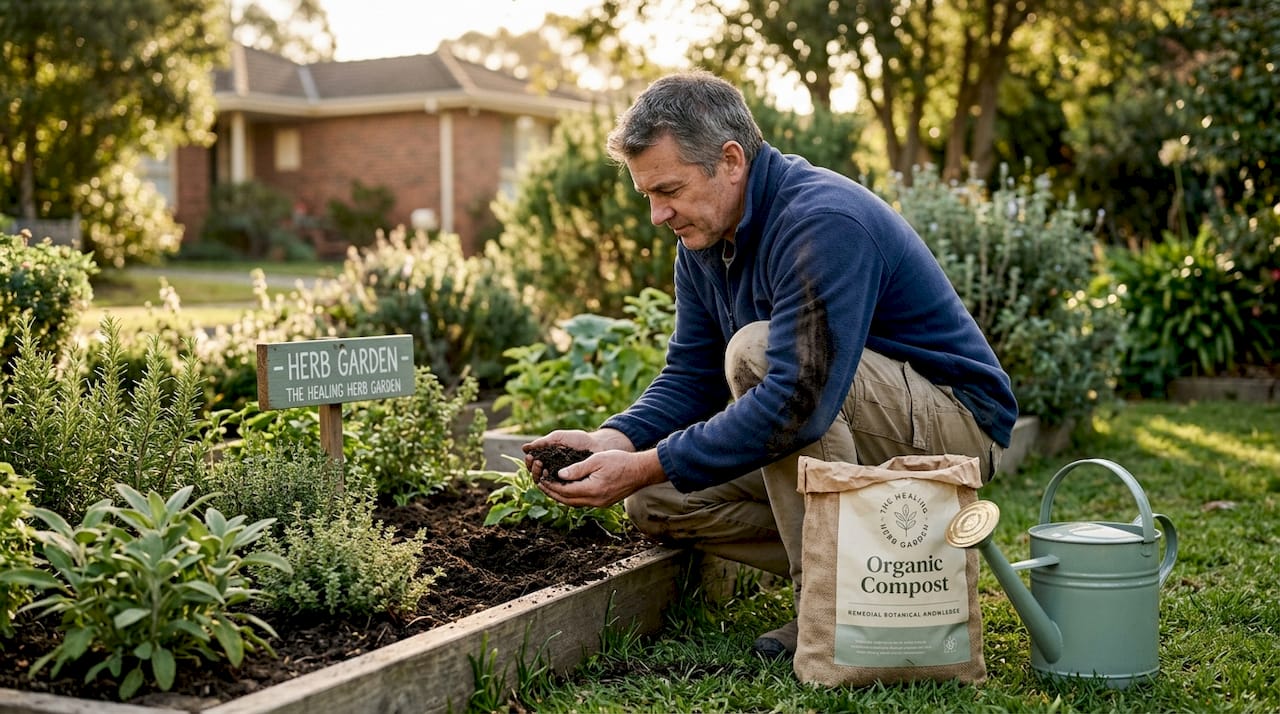
RHS guidance on herbs confirms that herbs thrive with full sun, well-drained soil rich in organic matter, and flexible sowing methods including indoor starts, cloches, and containers for a continuous supply. That flexibility matters in the UK, where spring weather is unpredictable and summers can be short.
Here is your basic infrastructure checklist before you sow a single seed:
- Containers or beds: Pots, raised beds, or a dedicated border all work well
- Drainage: Every container needs holes at the base; add a layer of gravel or crocks
- Compost: Use a peat-free, loam-based mix for most medicinal herbs
- Watering can with a fine rose: For gentle watering of seedlings
- Labels: Keep track of what you planted and when
- Cloches or fleece: Essential for protecting tender herbs in early spring and autumn
If you are just getting started, explore beginner herb kits that include pre-selected plants suited to UK conditions.
“The key to a successful herb garden is not a big space. It is the right conditions in whatever space you have.” This applies whether you have a large garden, a small patio, or just a sunny windowsill.
Pro Tip: For a continuous supply of fast-bolting herbs like coriander and dill, sow small batches every two weeks from March through July. This is called succession sowing, and it prevents the feast-or-famine cycle most beginners experience.
Choosing beginner-friendly medicinal herbs
With your growing area ready, the next step is choosing which healing herbs to grow. This is where many beginners overthink things. The good news is that a small shortlist of reliable, UK-friendly herbs gives you everything you need to start a genuinely useful home remedy garden.
RHS guidance on basil and other herbs highlights important UK edge cases: some herbs are heat-loving and need indoor starts, while others are fully hardy but can become invasive if not managed. Knowing the difference saves you a lot of frustration.
Here are six excellent starter herbs with honest notes on each:
-
Mint: Why it’s ideal: Hardy, vigorous, and easy to grow. Useful for digestive support and calming teas. Watch out: Extremely invasive. Always grow in a container or a buried pot. Medicinal use: Peppermint tea for nausea and digestion.
-
Sage: Why it’s ideal: Fully hardy in the UK, drought-tolerant once established, and beautiful in the garden. Watch out: Dislikes waterlogged soil. Medicinal use: Traditionally used for sore throats and as an antimicrobial herb.
-
Lemon balm: Why it’s ideal: Vigorous, lemon-scented, and calming. One of the easiest herbs to grow in the UK. Watch out: Self-seeds prolifically. Deadhead flowers to keep it contained. Medicinal use: Widely used for stress relief and sleep support.
-
Chamomile (German): Why it’s ideal: Self-seeds freely and thrives in poor soil. Watch out: Small flowers need patience to harvest. Medicinal use: Classic calming tea for relaxation and mild digestive complaints.
-
Calendula: Why it’s ideal: Bright, cheerful, and incredibly easy from seed. Watch out: Deadhead regularly to keep flowering. Medicinal use: Topical use for skin healing, inflammation, and minor wounds.
-
Basil: Why it’s ideal: Aromatic and versatile. Watch out: Tender. Must be started indoors and kept warm. Not frost-hardy at all. Medicinal use: Traditionally used for digestive health and as an antibacterial herb.
| Herb | Hardiness | Growing method | Invasive? | Key medicinal use |
|---|---|---|---|---|
| Mint | Hardy | Container (essential) | Yes | Digestion, nausea |
| Sage | Hardy | Bed or container | No | Sore throat, antimicrobial |
| Lemon balm | Hardy | Bed or container | Mildly | Stress, sleep |
| Chamomile | Hardy | Direct sow | No | Relaxation, digestion |
| Calendula | Hardy annual | Direct sow | No | Skin healing |
| Basil | Tender | Start indoors | No | Digestion, antibacterial |
You can also explore more unusual options as your confidence grows. Ground ivy is a traditional British healing herb with a long history of use, and wild healer herb kits combine yarrow, plantain, and comfrey for a more adventurous healing garden.
Pro Tip: Start with just three herbs: mint, sage, and lemon balm. These are hardy, proven in UK gardens, and genuinely useful for everyday wellness. Add chamomile and calendula in your second season once you feel comfortable.
Containers, compost, and watering: The UK beginner’s infrastructure checklist
After you have picked your herbs, you need to create an environment that maximizes their health. The UK’s variable weather makes this especially important. A warm April can be followed by a sharp May frost. A dry July can turn into a wet, grey August. Containers give you the control to respond to all of it.
RHS advice on herbs in containers confirms that containers are often the easiest approach for UK beginners, especially for medicinal herbs used at home. They let you manage drainage, move plants to shelter, and prevent invasive herbs from spreading.
Follow this numbered checklist for container success:
- Choose the right pot size. Use containers at least 20cm deep for most herbs. Mint and lemon balm benefit from wider, shallower pots.
- Add drainage holes. Every pot needs them. If your chosen pot lacks holes, drill them before planting.
- Layer the base. Add 2 to 3cm of crocks, gravel, or broken pot pieces before adding compost. This prevents the drainage holes from blocking.
- Use the right compost. A gritty, loam-based compost works well for Mediterranean herbs like sage and thyme. A more moisture-retentive mix suits lemon balm and mint.
- Water carefully. Push your finger 2cm into the compost. If it feels dry, water thoroughly. If it still feels damp, wait. Never let pots sit in standing water.
- Position thoughtfully. Place containers near the house for easy access and extra warmth from the walls. South-facing walls are ideal.
- Protect from frost. Move tender herbs like basil indoors before the first frost. Wrap terracotta pots in fleece or bubble wrap to prevent cracking.
| Common mistake | What goes wrong | How to prevent it |
|---|---|---|
| Overwatering | Root rot, yellowing leaves | Water only when compost is dry 2cm down |
| No drainage layer | Soggy roots, plant death | Always add crocks or gravel before compost |
| Planting mint in open ground | Invasive takeover | Grow mint in a buried or standalone container |
| Leaving basil outdoors in autumn | Frost damage, plant death | Move indoors before the first frost |
| Pots in deep shade | Weak, leggy growth | Position in the sunniest spot available |
For herbs that need more root depth, like valerian, choose taller containers of at least 30cm. You can also browse pre-planned herb collections that take the guesswork out of pairing herbs with the right growing setup.
Pro Tip: Move tender herbs like basil indoors before the first frost. Place them on a warm, bright windowsill and they will continue producing leaves well into autumn.
Safety and smart use: What every beginner must know
With your physical garden setup complete, the final essential step is learning how to use your herbs responsibly. This is the part most wellness guides skip. It is also the most important.
“Natural” does not mean risk-free. Herbal medicines can cause side effects and interact with prescription drugs, and the evidence behind many traditional uses is limited. The NHS is clear on this: herbal remedies are not automatically safe just because they come from a plant.
Here is your safety checklist before you use any homegrown herb medicinally:
- Consult a health professional before using herbs to treat any health condition, especially if you take prescription medication
- Avoid self-medicating serious conditions with herbal remedies. Use them to support wellness, not replace medical care
- Check for drug interactions. St John’s Wort, for example, interacts with antidepressants, blood thinners, and the contraceptive pill
- Look for THR marking on any commercial herbal products you buy. THR (Traditional Herbal Registration) means the product meets UK safety and quality standards
- Exercise extra caution with children, during pregnancy, and before surgery. Many herbs are not safe in these situations
- Only harvest herbs you can reliably identify. Misidentification is a real risk, especially with plants like wild chamomile or elderflower
“Herbal medicines are not risk-free. They can cause side effects, interact with other medicines, and may not be suitable for everyone.” This is NHS guidance, and it is worth taking seriously.
When it comes to harvesting, treat your plants as both food and knowledge. Stick to well-known edible herbs you can identify with complete confidence. Use reliable plant sources, like organically grown plug plants from a trusted supplier, rather than foraging from unknown locations. Visit The Healing Herb Garden for herb selection guidance on safe, well-documented plants suited to home growing.
What most beginner guides miss: Why safety, not speed, grows the best healing gardens
Here is something most wellness gardening content will not tell you: the biggest risk to a beginner’s healing herb garden is not the wrong compost or a late frost. It is rushing.
There is a pattern we see often. Someone reads about the benefits of a particular herb, orders a handful of plants, and starts making teas and tinctures within weeks. They skip the step of learning the plant properly. They do not check whether it interacts with their medication. They assume that because something is natural, it is gentle. Sometimes that works out fine. Sometimes it does not.
RHS growing methodology is clear that cultivation accuracy, getting the sun, drainage, and overwintering right, comes first. The NHS is equally clear that herbal medicine use requires the same critical thinking you would apply to any other health decision. Both of these things need to be true at the same time.
The best healing gardens are built slowly and deliberately. Start with three or four well-chosen herbs. Grow them well. Learn how they look through every season. Understand their traditional uses and their documented risks. Then, when you make your first cup of lemon balm tea or apply your first calendula-infused oil, you will do so with real confidence.
Patience is not a limitation in this practice. It is the practice. A garden grown with care and accuracy, using proven UK-friendly herbs, will serve your wellbeing far better than a rushed collection of exotic plants that struggle in your climate and confuse you at harvest time.
Treat your healing herb garden as an ongoing journey. Each season teaches you something new. Each herb you grow well earns its place in your home remedy toolkit.
Next steps: Grow your healing herb journey with expert kits
Inspired to begin? Here’s how to make your checklist a reality in just a few clicks.
At The Healing Herb Garden, we have done the hard work of selecting, growing, and curating herbs that are proven in UK conditions. Our kits take the guesswork out of your first season and reduce the most common beginner mistakes before they happen.
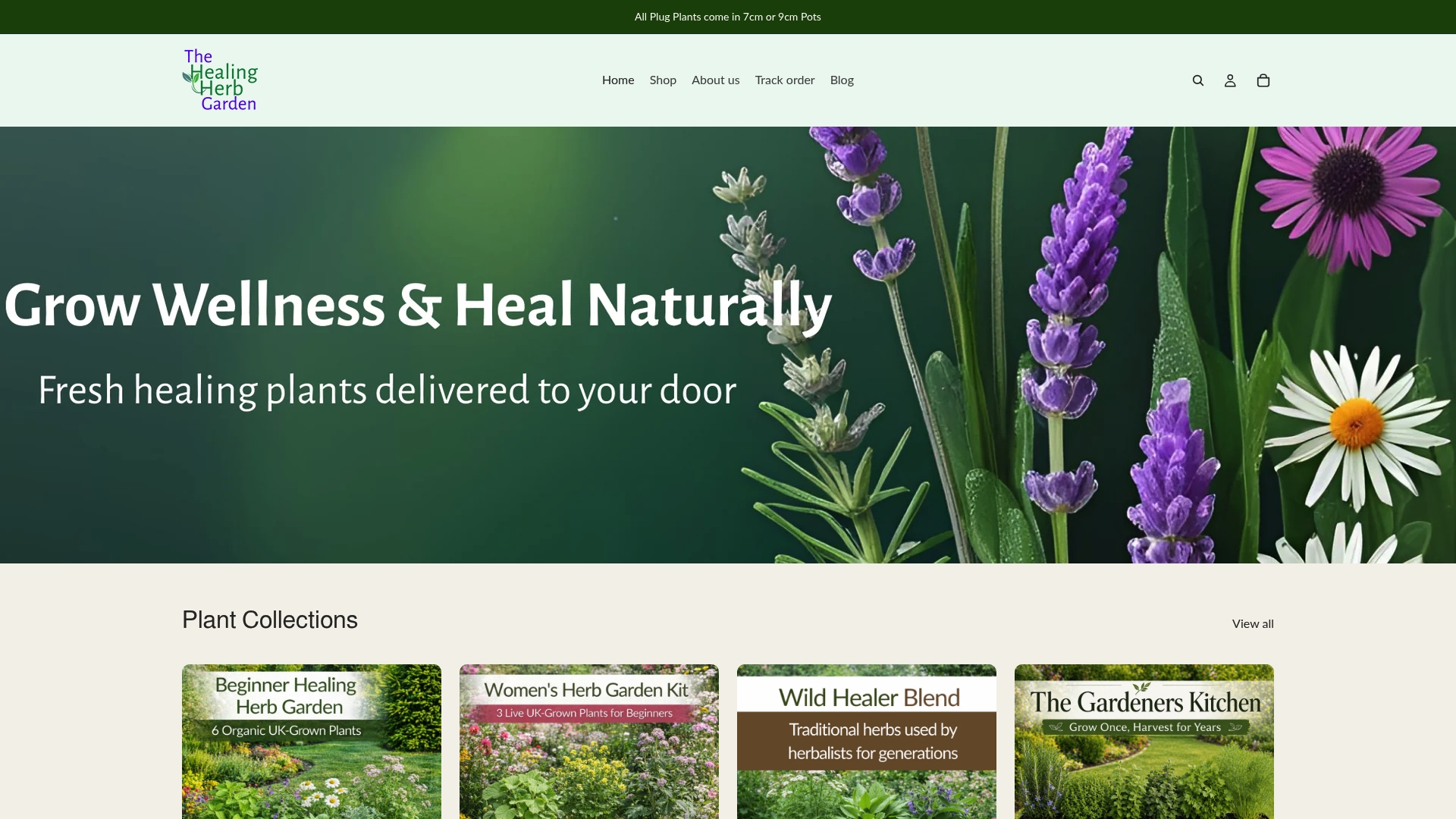
Start with our beginner garden kit, which brings together a carefully chosen selection of medicinal herbs suited to UK growing conditions. Every plant is organically grown and arrives ready to pot on or plant out. If you want to build your collection gradually and keep learning as you grow, our monthly plug plant subscription delivers new healing herbs to your door each month, with growing notes included. Each order comes with guidance so you always know exactly what you have and how to care for it.
Frequently asked questions
What are the best beginner herbs for a UK healing garden?
Mint, sage, and lemon balm are hardy, easy to grow, and well-suited to UK conditions. RHS guidance supports choosing starter herbs based on hardiness and practical UK growing factors.
Do I need a greenhouse or can I start on a windowsill?
Most herbs can be started on a sunny windowsill without a greenhouse. RHS growing advice confirms that indoor sowing on a bright windowsill is a fully valid method for raising herbs from seed.
How do I safely use my homegrown medicinal herbs?
Consult a health professional, stick to reliable edible herbs you can identify with confidence, and avoid self-medicating serious conditions. The NHS guidance on herbal medicines is clear that natural does not mean risk-free.
Do all herbs need to be grown in containers?
No, but containers help you manage tender or invasive herbs and respond to the UK’s unpredictable weather. RHS advice on containers highlights them as the easiest approach for beginners wanting reliable results.
Are herbal remedies safe for everyone?
Herbal remedies can cause side effects and interact with medications, making them unsuitable for some people. The NHS advises extra caution for children, pregnant women, and anyone taking prescription drugs.
Recommended
- Beginner Healing Herb Garden Kit – 6 Traditional Herb Plants UK Grow – The Healing Herb Garden
- Monthly Healing Herb Plug Plants | Build Your Healing Herb Garden – The Healing Herb Garden
- Apothecary Garden Herb Seeds – The Healing Herb Garden
- Wild Healer Herb Trio– Plant Kit – The Healing Herb Garden
Article generated by BabyLoveGrowth
More from The Herb Garden Journal
Ready to start growing?
Our Beginner Healing Herb Garden Kit is the easiest way to get started — hand-selected plug plants, ready to grow, with everything you need to build your first herb garden.
Shop the Beginner Kit →

0 comments